
An upcycling company in Singapore operates at the intersection of economic necessity and environmental imperative, transforming discarded materials into products that people actually want to buy. Walk into any workshop tucked away in Kampong Glam or the industrial estates near Seletar, and you will find individuals sorting through wooden pallets, fabric scraps, and plastic containers with focused attention. These are entrepreneurs attempting to build viable businesses from what society has deemed worthless, and their success or failure reveals much about Singapore’s capacity to move beyond rhetoric towards genuine sustainability.
The reality confronting any upcycling company in this city-state is straightforward. Singapore generates approximately 7.7 million tonnes of solid waste annually, a staggering figure for a nation of its size. Within this waste stream flows a constant supply of materials: timber from construction sites, textiles from garment factories, glass from restaurants, plastics from countless consumer transactions. The materials exist in abundance. The challenge lies in extracting them from waste channels, processing them into marketable products, and convincing customers to purchase items made from rubbish.
The Labour Behind the Product
What sets an upcycling company apart from conventional manufacturing is the labour intensity of every step. There is no automated assembly line, no mechanised process that turns raw materials into finished goods with minimal human intervention. Workers must inspect each piece of salvaged wood for damage, wash and sort plastics by type, examine fabric for flaws. Sorting alone can consume hours before any creative work begins.
The design phase presents its own complications. Unlike manufacturers who specify exact materials for production runs, an upcycling company must adapt designs to whatever materials happen to be available. A furniture maker might plan tables only to discover the wood supply has shifted from teak to pine. A textile worker designs bags based on available fabric remnants, which change weekly. This flexibility demands skill and experience that take years to develop.
Consider the typical material streams that supply an upcycling company:
- Construction and demolition waste, particularly timber offcuts and metal fixtures that retain structural integrity
- Textile industry remnants, including fabric rolls with minor flaws and discontinued patterns from garment manufacturers
- Shipping and logistics materials such as wooden pallets, which arrive daily at ports and warehouses before being discarded
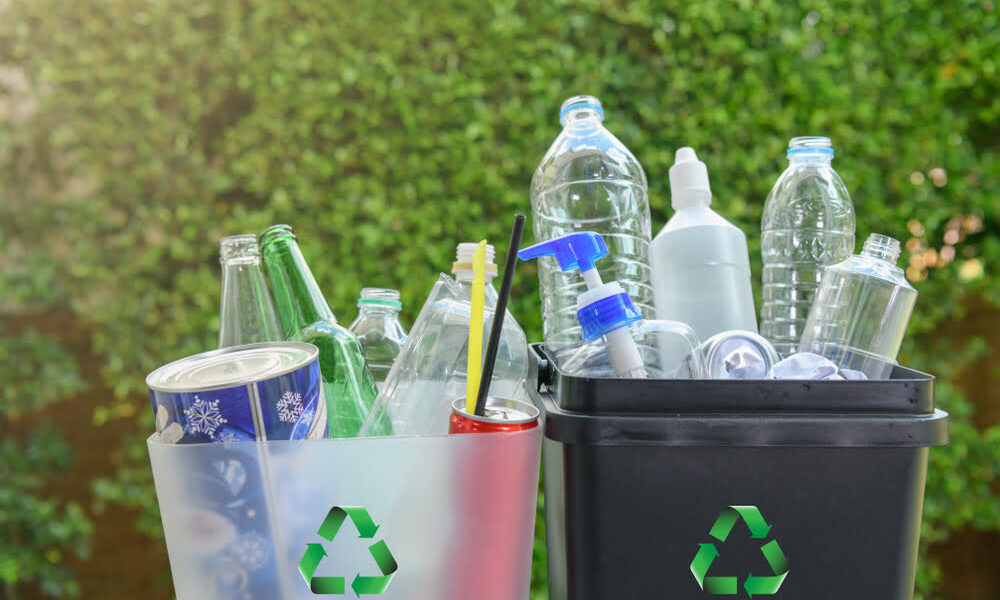
- Consumer packaging, particularly glass bottles and harder plastic containers that withstand repeated use
- Industrial components from electronics, furniture, and machinery that can be salvaged before reaching disposal facilities
Each stream requires different relationships. Construction companies operate on tight schedules and appreciate rapid waste removal. Textile manufacturers accumulate remnants gradually. Food service establishments generate glass continuously but in smaller volumes.
The Economics That Nobody Discusses
Here is what the promotional materials rarely mention: most people operating an upcycling company in Singapore barely break even. Workshop rent consumes a substantial portion of monthly revenue, and this understates the problem. Factor in equipment, utilities, insurance, material transportation, and actual labour hours, and the financial picture darkens considerably.
The pricing dilemma cuts both ways. An upcycling company cannot compete on cost with mass manufacturers operating in economies with lower wages. A dining table made from reclaimed wood might sell for hundreds of dollars, reflecting the hours required to source, clean, cut, sand, and finish the timber. A comparable table from a furniture retailer costs half as much. The upcycled version must compete on other attributes: uniqueness, craftsmanship, environmental credentials, and the story behind each piece.
Yet stories only carry so far in a market where many consumers prioritise price. Most upcyclers operate part-time, supplementing income from other employment. This is not poor work ethic or insufficient dedication. It is a rational response to market conditions that make full-time upcycling economically precarious for all but the most successful practitioners.
Cultural Resistance and Gradual Change
Singapore’s development trajectory created attitudes towards consumption that work against any upcycling company attempting to find customers. Rapid economic growth instilled preferences for new goods as markers of success. Used or repurposed items carried associations with poverty that older Singaporeans specifically sought to escape.
Younger consumers demonstrate different sensibilities. Environmental awareness has penetrated schools and universities. Social media platforms showcase upcycled products to audiences predisposed towards sustainability. An upcycling company can now reach customers through Instagram and weekend markets, channels that barely existed a decade ago.
The Question of Scale
Can an upcycling company grow beyond artisan scale without losing the authenticity that justifies premium pricing? This question haunts practitioners who recognise that current operations remain marginal. Upcyclers divert approximately 1,500 to 2,000 tonnes of materials annually from waste streams, meaningful for those involved but negligible against total waste generation.
Scaling requires capital for larger workspace, additional equipment, and hired labour. Yet investors typically seek returns that handcrafted production struggles to generate. The tension between small-batch authenticity and production volumes capable of financial sustainability has no easy resolution. Perhaps the answer lies in multiplication: hundreds of small operations collectively diverting substantial materials whilst maintaining the craftsmanship that defines the sector.
The practitioners persist, sorting through pallets and fabric scraps in workshops across Singapore, building businesses from what others discard. Their persistence testifies to something beyond profit calculations: a conviction that waste represents possibility, that creativity can unlock value invisible to conventional analysis, and that an upcycling company offers not merely products but a different vision of how humans might relate to the material world and its limits.