
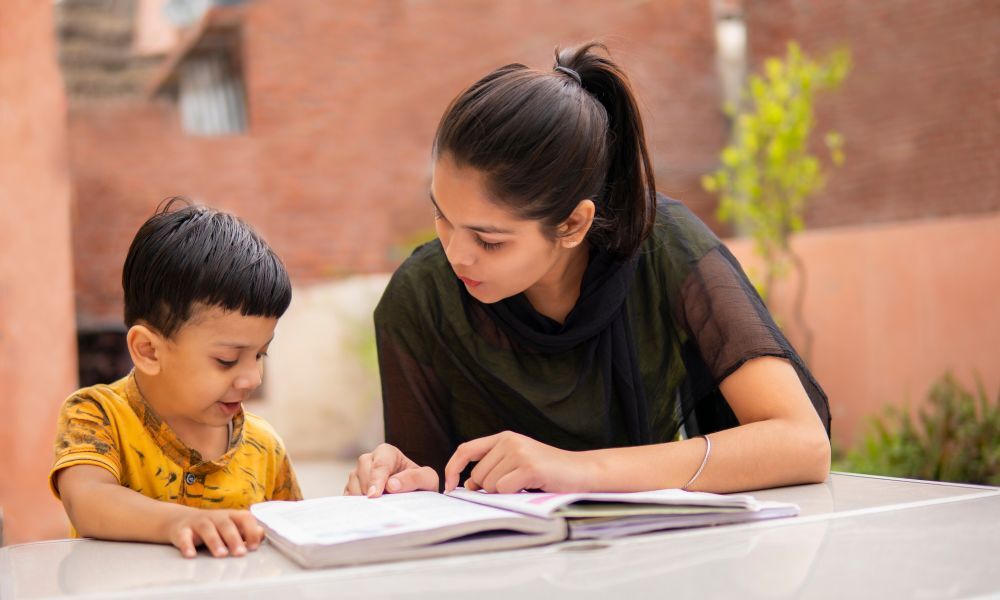
Early literacy in Oahu grows from a setting that treasures heritage, shared responsibility, and steady community ties. Families, educators, and volunteers build a warm space for children to explore language through familiar stories, daily rituals, and steady encouragement. These efforts help children feel grounded in their identity while gaining skills that support reading confidence.
Local groups strengthen these efforts through Community programs in Oʻahu, which bring families together in ways that feel natural and inviting. These gatherings give children access to stories that reflect their surroundings, their values, and the cadence of island life. They also strengthen relationships among families who want the same thing for their children: a joyful introduction to literacy.
Story Traditions That Welcome Children Into Reading
Storytelling holds a natural place in island culture, so early literacy grows easily from oral traditions. Elders share tales that blend humor, gentle lessons, and local imagery, which helps children link spoken stories with printed words later on. This familiar setting gives reading a warm start that feels comfortable rather than formal.
Parents and caregivers join these sessions to learn fresh ways to bring stories into daily routines. They discover simple techniques that spark curiosity in young listeners, such as using familiar landscapes, household items, or shared family memories. These small touches help children associate reading with comfort and stability.
Cultural Practices That Strengthen Language Skills
Cultural activities in Oahu give children a direct path to language building. Crafts inspired by natural materials, movement sessions, and simple chants introduce vocabulary in an active and memorable way. These practices keep children engaged because the activities mirror the island setting around them.
Educators shape these moments to help children link spoken words to meaning. When children chant, dance, or craft, they pick up new phrases without pressure. The mix of movement and language helps them retain ideas that support later reading success.
Community Workshops That Support Families
Family workshops give parents practical tools without overwhelming them. Facilitators use everyday scenarios such as snack time, beach outings, or chores to show simple ways to strengthen early language habits. These sessions feel friendly and relaxed, which encourages families to try the ideas at home.
Workshops in Oahu also create a steady network among families who share similar goals. Parents trade suggestions and encouragement while children form friendships built around learning. These bonds help everyone stay engaged and confident as children grow into readers.
Outdoor Learning That Encourages Curiosity
Oahu’s natural beauty works well as an open classroom. Children learn new words while exploring tide pools, trails, or grassy fields. Guides shape these outings so each child slows down, looks closely, and names what they see.
This outdoor approach also helps families understand how small observations spark strong language growth. A simple walk near the shore can turn into a lively session of naming textures, shapes, and natural sounds. Each outing strengthens vocabulary while keeping children active and joyful.
Shared Spaces That Celebrate Books
Libraries, cultural centers, and small gathering spots serve as friendly meeting points for families. These places host read-aloud sessions, craft circles, and small events tied to island traditions. The familiar surroundings help children relax and approach books with interest and ease.
Local volunteers help children choose stories that match their reading stage and cultural setting. These shared spaces welcome every family and create steady routines that support early literacy in simple, meaningful ways.
Community programs in Oʻahu shape literacy experiences that feel personal, warm, and steady. Parents, elders, and educators work together to give children a strong, joyful connection to language. Their steady guidance adds comfort to early reading and helps families stay engaged. Children feel supported through shared stories, cultural activities, and welcoming gathering places.