
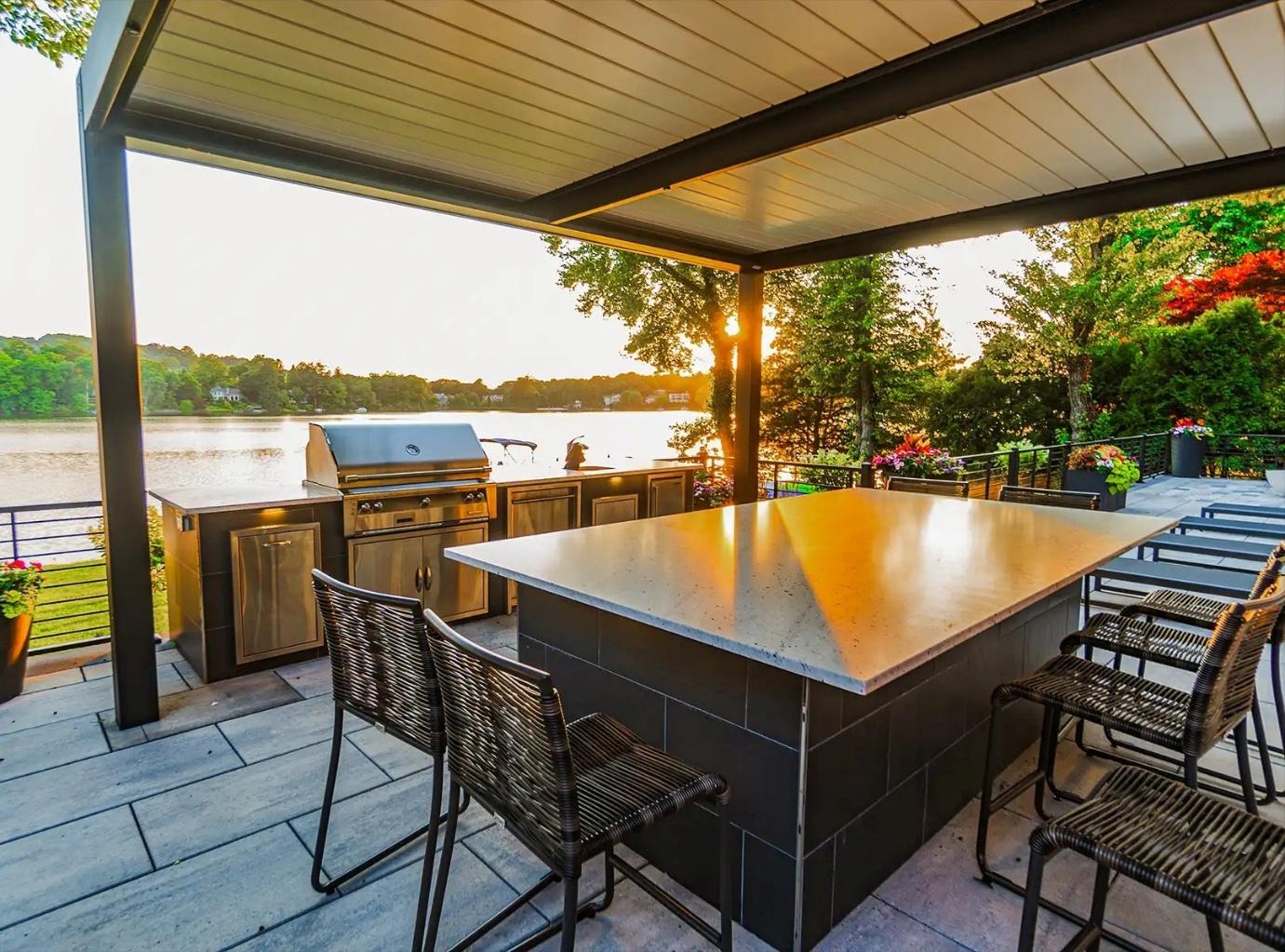
It starts simply – a grill outdoors, some counter space, maybe a sink, fresh air, and friends nearby. Then planning takes over. Too many choices creep in. An outdoor kitchen only feels complicated when you forget it is meant to make cooking outside easy and enjoyable.
Keep it practical. Keep it usable. Everything else falls into place.
Begin With How You Will Actually Use It
Before looking at designs or finishes, pause for a minute and think realistically.
- Will you cook here every week or only occasionally?
- Will you use it for social evenings or quiet family dinners?
- Do you want it right outside the back door or further into the garden?
- How many people usually hover around when you cook?
These answers quietly guide the whole plan and stop you from adding things you don’t really need.
A Ready-Made Structure That Simplifies Decisions
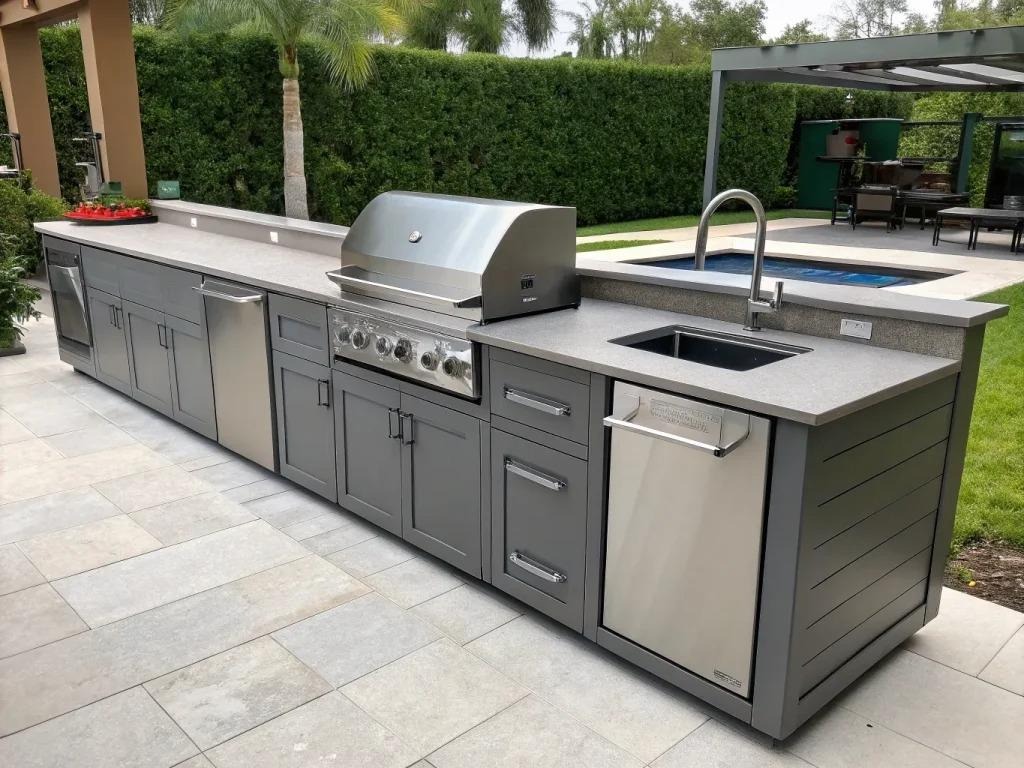
For those who don’t want to piece together units and hope they work, Whistler Burford built-in outdoor kitchens offer a straightforward solution. These kitchens are made specifically for outdoor use, so you are not left wondering if the materials or layout will survive changing weather.
On the BBQs2u pages, the units form a coherent kitchen, not scattered pieces. Storage is integrated, worktops make sense, and the setup feels garden-ready, solid, intentional, and thoughtfully designed rather than improvised.
Pick the Location Before Anything Else
A beautiful setup won’t help if the placement is awkward.
- Keep it close enough to the house for easy access
- Choose a spot with some natural protection from wind
- Avoid placing it under trees where leaves fall constantly
- Observe how sunlight moves through the area during cooking hours
- Leave room for seating and free movement
A good location feels effortless. A poor one feels inconvenient every single time you cook.
Follow Simple Kitchen Logic
This part is surprisingly easy to forget outdoors.
- Prep space should sit right beside the cooking area
- Leave enough counter space for plates and tools
- Keep storage within arm’s reach
- Decide in advance where waste and used items go
- Allow standing space for guests who like to chat while you cook
When the layout flows naturally, the whole experience becomes more relaxed.
Choose Materials That Can Handle Real Weather
Outdoor kitchens often face rain, dust, sun, and moisture throughout the year.
- Stainless steel handles exposure well
- Weather-resistant countertops prevent early damage
- Outdoor-rated cabinets last much longer
- Flooring should remain safe when wet
You may choose finishes for style, but durability is what you will be grateful for later.
Keep Storage and Waste Under Control
Without proper storage, you will keep walking back into the house. Without waste planning, things get messy quickly.
A small but helpful addition like the Whistler Burford bin keeps rubbish out of sight and the area tidy while you cook. It is one of those details you don’t think about at first, but you really appreciate during gatherings.
Make It Comfortable, Not Just Functional
Design a relaxed outdoor space with overhead shade, soft evening lighting, and seating facing the cook. Prioritise purpose, smart layout, and durable materials to create a kitchen you’ll genuinely enjoy using.