
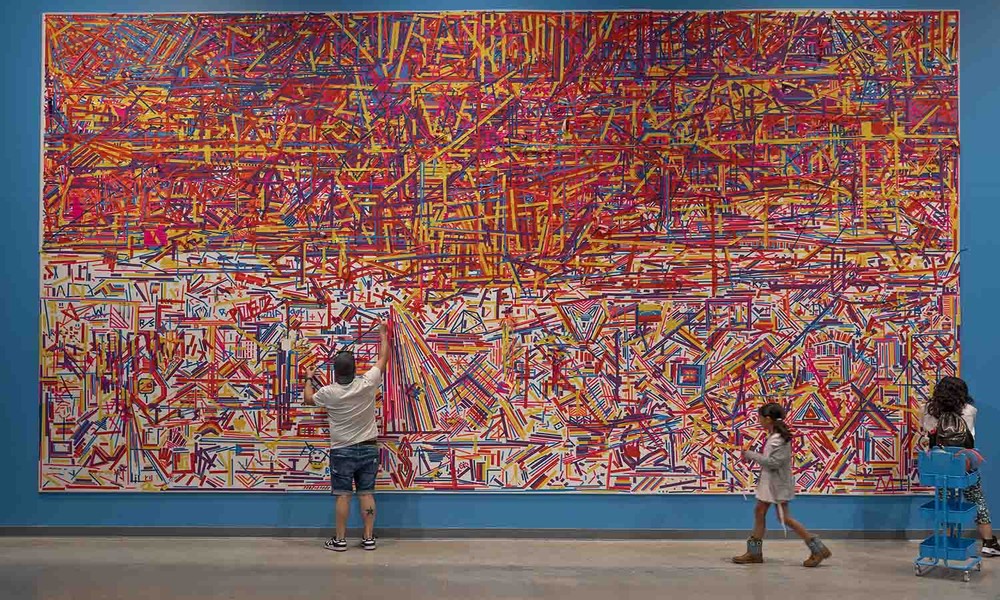
Art can begin with one quiet detail, such as a childhood object, a familiar street, a protest sign, or a fragment of sound. In Austin, that detail can gain cultural force because the city’s creative spaces welcome ideas with local depth. A single concept becomes meaningful when it touches memory, place, and shared emotion.
The city’s art scene carries the pulse of music, neighborhood history, public murals, and independent studios. Artists use these influences to turn personal vision into work that speaks to residents, collectors, and curious visitors. That is why an Austin, TX art gallery can become more than a viewing space; it can become a meeting point for cultural thought. For more information, please read this discourse.
Local Context Gives One Idea Its First Shape
Artists rarely create in isolation from the city around them. A simple image of a porch, creek, dance hall, or construction site can hold stories about growth, heritage, loss, and identity. These details give a concept emotional weight because viewers can sense a real connection to place. This local grounding helps art feel specific rather than broad. When a work reflects the city’s neighborhoods, music culture, and social shifts, it becomes easier for audiences to understand why the idea matters.
Community Response Expands the Meaning
A concept changes once people gather around it. Viewers bring their own memories, questions, and opinions, which can widen the meaning of the artwork without taking power away from the artist’s original idea.
- A portrait series can invite deeper respect for communities that deserve more visibility.
- A mural about migration can open public dialogue about home, movement, and belonging.
- A sculpture made with reclaimed objects can raise questions about labor, waste, and renewal.
- A sound piece can connect the city’s musical identity with memory, grief, or celebration.
These responses help art move from private expression into shared cultural language. The strongest works leave room for people to feel involved instead of simply impressed.
Materials Hold Stories That Words Cannot Carry
Materials can shape cultural meaning before a viewer reads a title or statement. Wood, clay, fabric, limestone, neon, metal, and found objects each carry texture, history, and mood. In Austin, artists may choose materials that reflect the land, local industries, family traditions, or the changing face of the city.
A fragile textile can suggest care, ancestry, or loss. Heavy steel can suggest resistance, endurance, or public strength. These choices make the concept more physical, allowing viewers to feel the idea through surface, scale, and presence.
Collaboration Turns a Small Idea Into a Public Conversation
Austin’s creative energy grows through connection among artists, curators, musicians, writers, educators, and community organizers. One concept may begin in a sketchbook, then move through studio visits, artist talks, pop-up exhibitions, and public programs.
- Curators give the work historical, cultural, and visual context.
- Musicians and performers add rhythm, voice, and emotional range.
- Educators help younger audiences respond with confidence and curiosity.
- Local spaces make art accessible beyond formal collecting circles.
Galleries in Austin Help Preserve the Cultural Conversation
A strong gallery experience does more than place artwork on clean walls. It builds a clear path through the artist’s idea, helping visitors understand the concept, the process, and the social meaning behind the work. This structure matters because cultural thought needs care, context, and memory.
An Austin, TX art gallery can support this process through careful curation, artist interviews, exhibition notes, collector guidance, and public events. These efforts help a singular concept continue to live beyond the opening night. When galleries treat ideas with depth, they help the city’s creative voice remain thoughtful, layered, and relevant.
Thus, artists turn singular concepts into cultural thought through place, material, dialogue, and shared response. Each idea gains strength when the community adds memory and meaning. That is how personal vision becomes part of a city’s lasting creative identity.