
What proper conditions maintain?
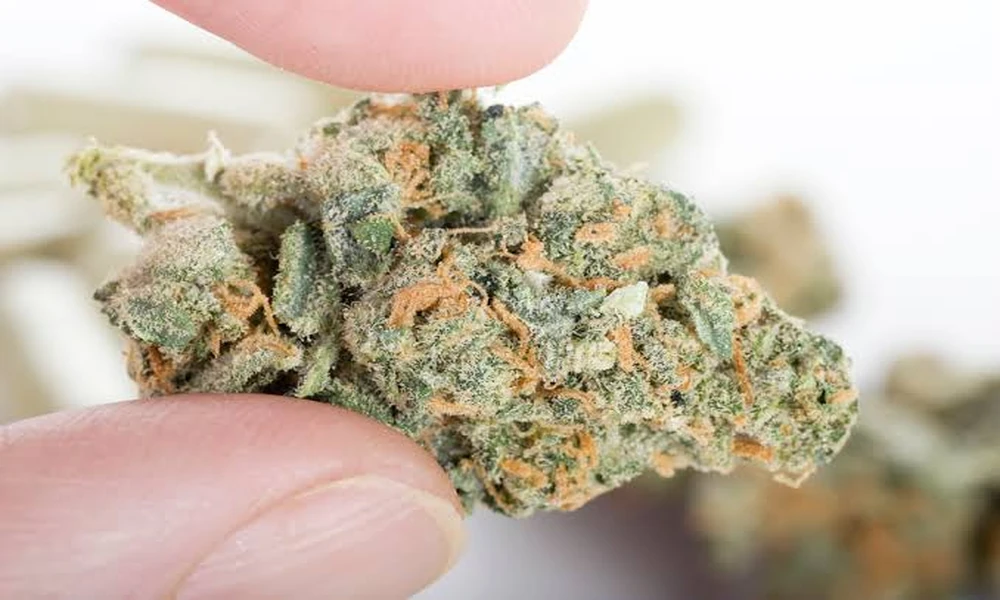
A product held in poor conditions after packaging arrives is different from what the production chain built. A gradual shift begins at first, but quickly accumulates over time. Temperature, humidity, light, and duration play a role in cannabinoid concentration and terpene character. Maintaining thca flower in a condition that reflects post-harvest handling means getting these four variables right, instead of treating the holding period as neutral.
No single variable operates independently. A dark, cool space allowing humidity to run high creates its own set of problems. Humidity held correctly in a warm environment still loses terpene retention over time. All four need to align together for a holding environment to actively support what was built earlier in the production chain.
How does temperature preserve the condition?
- Terpenes leave resin surfaces faster in warm environments because warmth provides the energy that drives volatile compounds away from cured material. A consistently cool setting slows the process enough to keep aromatic complexity closer to what curing establishes.
- Temperature swings matter more than average heat. A material’s moisture vapour travels from warm to cool, and terpene compounds travel outward during the warm phase but return fully during the cool phase. Repeated cycles of that movement flatten aromatic profiles across extended holding periods. Stable cool temperature removes those cycles, keeping terpene distribution within the material rather than allowing gradual outward drift.
Humidity range for preservation
55 to 62 percent relative humidity is the range where cured material holds best. Physical structure stays firm. Trichome surfaces remain pliable. Aromatic complexity holds without moisture accumulation, creating surface problems over extended periods.
What the surrounding space maintains matters as much as what sits inside sealed packaging. A room running consistently dry pulls moisture out of material across weeks regardless of initial seal quality. One running above the optimal range pushes moisture inward over the same period. Humidity management in the holding environment itself determines which direction moisture content drifts between production and purchase, making it a storage variable rather than purely a packaging consideration.
Light exposure in holding spaces
UV wavelengths reaching resin surfaces initiate changes in trichome structure that build cumulatively rather than appearing all at once. A holding location with ambient light, even low-level indirect exposure, allows that accumulation to progress across weeks or months a product sits between production and purchase.
Dark holding environments stop that accumulation. Nothing reaches trichome surfaces to initiate change, regardless of how long the product sits. Surface stickiness, resin appearance, and trichome integrity all hold closer to what curing produced when cumulative light exposure stays at zero throughout the holding period.
Duration between production and use
Less time between production and use means less opportunity for any condition to influence what a buyer receives. Even a well-managed holding environment with stable temperature, correct humidity, and complete darkness works on the product over time. Shorter duration reduces how much work those variables have to do to maintain condition through to the point of use.
Extended holding periods place greater demand on every other variable. A space maintaining condition well over four weeks may not sustain it equally well over five months if any variable drifts outside the optimal range. Reducing duration where possible, alongside consistent environmental control, keeps the condition at the point of use closest to what the production chain originally delivered.