
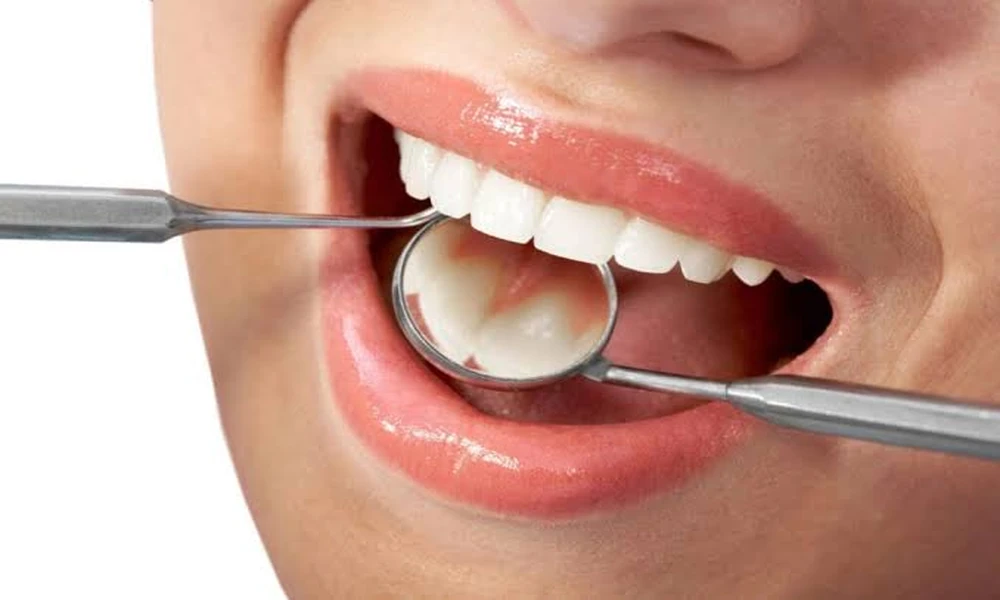
You may be thinking about whitening, veneers, or straightening your teeth because something feels off every time you smile. At the same time, you may also be putting off a cleaning, dealing with gum bleeding, or ignoring a tooth that has started to feel sensitive. That split is common. Many people treat appearance and oral health like two separate jobs, then end up fixing one problem while the other keeps growing. A Lansdale, Pennsylvania dentist can help you address both at the same time.
The truth is simple. Your smile does not separate function from appearance, and your dental care should not either. General and cosmetic dentistry work best together because healthy teeth and gums support better cosmetic results, and cosmetic improvements often last longer when routine care is already in place. A dentist who looks at both sides of your smile can catch problems early, protect your investment, and help you avoid care that looks good for a moment but fails underneath.
General Dentistry Supports Cosmetic Results From the Start
If a tooth is decayed, cracked, infected, or surrounded by inflamed gums, cosmetic work does not solve the real issue. It may cover it for a while, but the problem is still there. That is where general dental care matters. Exams, cleanings, X rays, fillings, gum care, and bite checks create the foundation that cosmetic treatment depends on.
You see this in everyday situations all the time. Someone wants veneers because their front teeth are worn and uneven, but the wear is coming from grinding at night. If the grinding is not addressed first, those veneers may chip or fail. Another person wants whitening, but the shade looks uneven because one tooth has an old filling and another has early decay. Cosmetic treatment alone cannot make that result look right or last.
Routine exams also help your dentist find issues you may not feel yet. The dental exam process is not just a formality. It checks for cavities, gum disease, bite problems, and signs of infection that can affect comfort, appearance, and long term stability. Basic care is what makes cosmetic care safer and more predictable.
Cosmetic Dentistry Can Improve More Than Appearance
People often assume cosmetic dentistry is only about looks, but that misses the point. In many cases, cosmetic treatment also improves function, comfort, and daily confidence. Bonding can repair chips that catch on your lip. Crowns can restore shape and strength to damaged teeth. Orthodontic treatment can improve alignment, which may make cleaning easier and reduce uneven wear.
This is why combined dental care makes sense. A well planned smile is not just white and straight. It needs to be healthy enough to chew, easy enough to clean, and balanced enough to hold up over time. If your bite is off, your jaw is sore, or your gums are receding, those details matter just as much as color and shape.
There is also the emotional side of this. You may already know what it feels like to hide your teeth in photos or cover your mouth when you laugh. That stress is real. Cosmetic treatment can help, but it feels far more secure when you know the work is built on healthy teeth and gums, not on top of untreated problems.
Separate Care Often Costs More in Time, Money, and Stress
When general and cosmetic care are handled as separate tracks, treatment can become fragmented. One office focuses on appearance, another handles maintenance, and no one is looking at the full picture. That can lead to repeated imaging, conflicting advice, missed warning signs, and work that needs to be redone.
What if you whiten your teeth and then learn you need several fillings that no longer match the new shade? What if you invest in veneers before gum disease is under control, then need additional treatment because the gum line changes? Those are expensive frustrations, and they are often preventable when one plan guides both health and aesthetics.
According to the NIH overview of oral and dental health, oral health is tied to your overall health, including your ability to eat, speak, and live comfortably. That is another reason a general and cosmetic dentist approach matters. Your smile is part of your health, not a separate cosmetic project.
Combining General and Cosmetic Dentistry Creates Better Treatment Decisions
A dentist who considers both function and appearance can help you choose treatment with fewer surprises. That may mean delaying cosmetic work until gum inflammation improves. It may mean choosing a crown instead of bonding because the tooth needs strength first. It may mean recommending orthodontic movement before veneers so less enamel needs to be altered.
This does not make treatment more complicated. It usually makes it more honest. You get a plan that respects how your teeth actually work, how your gums respond, and how your smile will age. That is the difference between quick cosmetic changes and thoughtful long term care.
General Dental Care and Cosmetic Dentistry Work Better Together
| Approach | Main Focus | Common Risk | Likely Benefit |
|---|---|---|---|
| Cosmetic treatment without full general evaluation | Color, shape, alignment, surface appearance | Hidden decay, gum disease, bite issues, short lived results | Faster visual change |
| General care without cosmetic planning | Cleanings, exams, fillings, gum health, prevention | Appearance concerns remain unresolved, lower confidence | Better oral health and lower risk of disease |
| Integrated care from a general and cosmetic dentist | Health, function, appearance, long term maintenance | May require phased treatment instead of instant changes | More durable results, better comfort, better smile design |
Clear Steps Help You Move Forward With Confidence
1. Start with a full exam and cleaning. If you are thinking about any cosmetic change, begin with the basics. A full evaluation shows whether cavities, gum inflammation, worn enamel, or bite issues need attention first. That step protects every decision that comes next.
2. Ask for one treatment plan that includes health and appearance. You do not need separate goals. Ask your dentist to explain how general care and cosmetic options fit together, what should happen first, and what can wait. A phased plan often gives you better results and more control over cost.
3. Think long term, not just fast. The best smile work should still make sense years from now. Ask how your treatment will affect cleanings, future repairs, gum health, and daily wear. If a plan looks good but creates more maintenance or risk, that matters.
You do not have to choose between a healthy mouth and a smile you feel good about. The strongest results come from treating both at the same time. When general care and cosmetic care are combined, your treatment is more stable, more efficient, and more likely to last. If you have been waiting because the options feel overwhelming, start with a full conversation and a clear plan. That first step often brings more relief than you expect.