

Household estate sale items
An estate sale can be a lot of work. While some people hire out the entire process, others like to participate in parts of the process. Either way, it pays to understand what’s involved so you know what to expect and are prepared for the process.
The First Pass Through the House
Inventory the House
The first step is for the company to walk through the house and take inventory of what’s inside. Furniture, kitchen items, tools, artwork, rugs, books, linens, clothing, décor, coins, jewelry, records, garage items, and just about everything else will be inventoried. You may want to remove certain items before the professional walks through the house, such as:
- Sentimental items
- Important financial documents
- Family photos
- Important personal papers
- Prescription medication
- Other items that you don’t want put up for sale
Firearms, antiques, fine jewelry, and unusual collections should be appraised before putting them up for sale. While older items aren’t necessarily valuable, it pays to get items appraised before mixing them in with the other household items that will be put up for sale.
Price Items for Sale
Items will be priced to move, which may mean selling some items below their actual value. That’s par for the course when it comes to estate sales, though. The idea is to empty out the house.
Set Up the House
The professional company will price items and set them up for sale. Depending on the size of the job, this may take one day or several days.
Watch the House
Someone has to watch the house to make sure no one steals anything. Most people hire out this job.
Host the Estate Sale
Some people host the sale themselves and man the register. Others hire the company to do it for them. It’s nice to have the house watched and sales made while you take a break.
Empty the House
Anything left after the estate sale will be donated or hauled away. It’s nice to have the entire process taken care of for you if you don’t mind shelling out a little extra cash.
When Is a Full Estate Sale Overkill?
There are a lot of logistics that go into a successful estate sale, and most people opt to leave at least some of those details to a professional company. Whether you plan to leave everything to the pros or participate in the process yourself, here’s what you can generally expect.
A Walk-throughA professional company will walk through the house to figure out what kind of sale you need. There are times when a full-fledged estate sale is overkill. If there are only one or two big-ticket items to be sold or the house has already been culled down, consignment, auction, individual sales, and donations may be in order. On the other hand, if there are a lot of items strewn about in working conditions, an estate sale may be best. Understanding the Baltimore, Maryland Estate Sale Process can help homeowners determine which approach makes the most sense for their situation.Culling
The homeowner decides what’s to be thrown away, donated, kept, and sold. This part can get especially tricky after the death of a loved one. Take your time during the culling process. Appoint a few decision-makers, set a schedule, and designate a “do not sell” section.
Pricing
Estate sales are all about moving merchandise quickly. Items are generally marked to sell rather than reflect their market value. That being said, appraisals and markdowns may be in order for select pieces. Pricing generally depends on:
- Completeness
- Wear and tear
- Manufacturer or brand name
- Age
- Style
- The local market
- Practicality
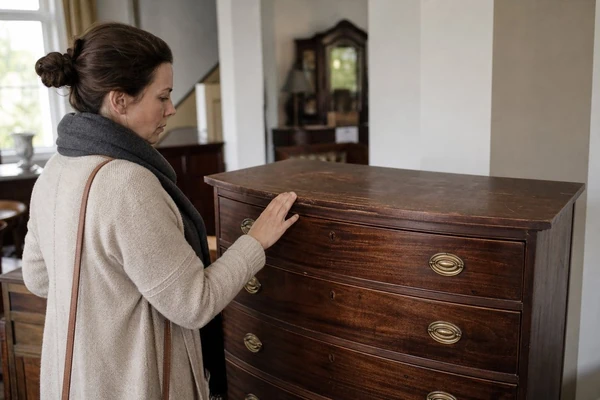
Estate sale furnishings and household goods
For example, let’s say you grew up at the dining room table and have hosted plenty of memorable dinners at that very table. That doesn’t sway potential buyers one bit. Instead, buyers are concerned with how the table compares to other options on the market in terms of condition, size, style, and practicality. That last point is key. Sure, buyers may ooh and ahh over your hutch, but who’s going to break it down and haul it out the door before move-out day?
Wrapping Up the Property
Not everything will sell. This is where donations and removal services come in handy. Other items may be consigned, recycled, or thrown away – the World Bank has a clear page on this at worldbank.org/en/news/immersive-story/2018/09/20/what-a-waste-an-updated-look-into-the-future-of-solid-waste-management. The hosts will also comb through the house a final time, paying particular attention to cabinets, closets, attics, sheds, and other overlooked areas in search of medications, valuables, and sensitive documents. This step is particularly important if the house is going to be listed for sale, renovated, or passed on to another homeowner.
While every situation is different, estate sales generally go the smoothest when there’s a deadline to abide by, a realistic idea of what to expect, and a solid understanding of which items are being kept and which are being culled. If you’re culling on your own, take a box room to room to corral documents, photos, medications, and other keepsakes.